
Maintaining a Clean Car Cooling System
페이지 정보

본문
Maintaining a clean and functional cooling system is one of the most important steps you can take to stop major engine damage. As months and miles pass, coolant can become contaminated with rust, dirt, and debris, and the coolant additives can break down, becoming less efficient. A blocked or contaminated coolant loop can trigger thermal runaway, which can cause serious engine damage. The silver lining is that maintaining a clean cooling system is straightforward if you stick to proven maintenance habits.
Always monitor your coolant reservoir. Nearly all modern autos have a see-through expansion bottle where you can visually inspect the coolant without removing the pressure cap. Always check when the engine is cool to prevent scalding. If the level is low, refill with the type of coolant recommended in your owner’s manual. Never mix different types of coolant, as this can cause chemical reactions that compromise system integrity.
Next, pay attention to the color and clarity of the coolant. Fresh coolant is usually bright green, red, or orange, depending on the chemical compound. If it looks murky, is brown or discolored, or has particles floating in it, it’s due for replacement. A quick glance can reveal critical signs about the overall performance of your radiator loop.
Most manufacturers recommend a coolant replacement every 2 to 4 years, but check your owner’s manual for the recommended timeframe. A system purge removes all the old fluid and contaminants and fills it with new fluid. You can handle it independently if you’re experienced with automotive maintenance, or visit a professional shop. The procedure involves draining the old coolant, flushing the system with water or a specialized cleaning solution, and then replenishing with the correct coolant-to-water ratio.
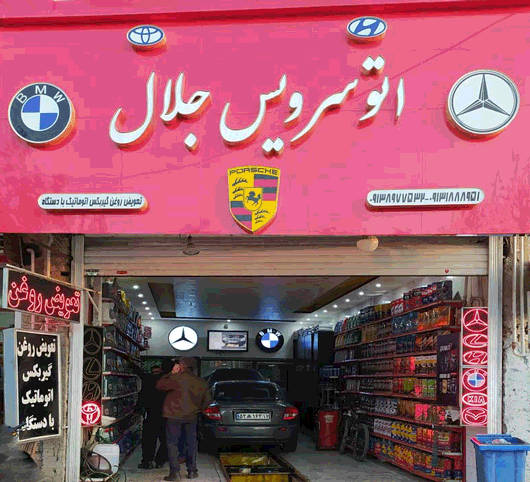
During this maintenance session, check the radiator and heater hoses for signs of wear, swelling, or seepage. A tiny seepage can result in catastrophic loss. Also, verify the cap’s gasket is intact. A damaged seal can allow air into the system or اتوسرویس داوود prevent proper pressure from building, which reduces cooling efficiency.
Don’t forget the radiator itself. As seasons pass, bugs, leaves, and road debris can clog the fins on the front of the radiator, restricting ventilation. Gently clean the radiator with a compressed air and damp cloth, being avoiding damage to thin aluminum fins.
Watch for abnormal heat readings. If it climbs above the midpoint, especially in cool or mild conditions, it could be a warning that something’s wrong. Don’t delay repairs rather than ignoring early symptoms.
By staying proactive with coolant checks, regular replacements, and routine visual checks, you’ll keep your engine running at the right temperature and maximize service life. A clean cooling system isn’t just about stopping overheating—it’s about keeping your car reliable and efficient for years to come.
- 이전글The Benefits of Routine Suspension Checks 26.02.26
- 다음글How to Avoid Environmental Fines When Scrapping a Car 26.02.26
댓글목록
등록된 댓글이 없습니다.